
Homeschool Mastery Academy is dedicated to recommending quality resources to benefit homeschooling families. This blog contains and is monetized through sponsored posts and affiliate links. Please see our full disclosure policy for detailed information.
Weather is a fascinating topic of study with so many varying conditions to learn about, such as temperature, precipitation, atmosphere, and more. Your time will be well spent reading all about mother nature and this exciting thing called weather with these books for preschool and early elementary.

We have chosen 20 worthy weather books for preschool and children of all ages to not only learn about the weather but to inspire questions and more weather-related bunny trails to explore. Learning about weather is important for kids of all ages.
Weather Books for Preschool
These books work well for children roughly ages 3 to 8, spanning preschool through early elementary, though a few lean toward one end more than the other (noted below with each title). We like pulling from several different types of weather within the same week so children start noticing patterns, like how clouds show up before rain or why some storms bring thunder and others don’t. Read one or two aloud during morning basket time, then follow up with a related activity, like a weather chart, a simple experiment, or time outside naming what you see in the sky.
All About Weather
Ages 5-7. This bright, two-page-spread nonfiction book from World Book’s Learning Ladders series introduces temperature, precipitation, and the seasons in short sentences with bold vocabulary words. It works well as a very first weather book, since it stays broad without overwhelming a new reader.


What Kind of Weather? by Dona Rice
Ages 3-5. Part of the Early Childhood Themes series, this one leans younger with simple text and big, colorful pictures that name different types of weather one at a time. It’s a good fit for preschool and young kindergarteners just starting to notice sun, wind, rain, and clouds.


Maisy’s Wonderful Weather Book by Lucy Cousins
Ages 2-4. Maisy fans will recognize the flaps and cheerful illustrations right away, and this one walks through sunny, rainy, windy, and snowy days. It suits toddlers and preschoolers best, since the interactive pages hold attention even before a child is ready for a longer story.


Oh Say Can You Say What’s the Weather Today? by Tish Rabe
Grades K-3. Written in the Cat in the Hat’s Learning Library’s signature rhyme, this book covers a wide range of weather topics, from clouds to hurricanes, in a way that keeps early elementary children engaged. It’s a good pick for children who already love the Seuss-style rhythm.
Grades 2-5. This interactive title is full of pop-ups, pull-tabs, and flaps that let children lift the page to see how tornadoes, hurricanes, and evaporation actually work. It’s a better fit for kindergarten and up than true preschool, but worth having on hand as children grow into more detailed weather questions.


Hello, World! Weather by Jill McDonald
Ages 1-4. This sturdy board book keeps things simple with basic weather vocabulary and bright illustrations, making it a natural first weather book for toddlers and younger preschoolers. It’s a great option for read-alouds with your youngest learners.
Grab our hands-on weather wheel to add to your study of weather too!

Rain


Down Comes the Rain by Dr. Franklyn M. Branley
Grades K-3. Part of the well-loved Let’s-Read-and-Find-Out Science series, this book explains where rain comes from and includes a simple activity for making your own rain gauge. It pairs especially well with a hands-on weather unit.


Singing in the Rain by Tim Hopgood
Ages 3-6. This gentle picture book follows a rainy walk through bright, textured illustrations and simple, musical text. It suits preschool and early elementary children who enjoy a quieter, more atmospheric read on a rainy day.


Worm Weather by Jean Taft
Ages 3-5. Told in short, rhyming lines, this one follows children splashing through puddles and the worm who comes along for the fun. It makes a fun read before heading outside to look for worms after a real rain shower.


The Little Raindrop by Joanna Gray
Ages 3-5. This picture book follows a single raindrop’s journey from cloud to puddle in simple, rhythmic language that’s easy for young children to follow. We’d use it with preschoolers just starting to learn about the water cycle.


Rain by Sam Usher
Ages 3-7. Part of Usher’s Seasons series with his grandfather, this quiet story follows a rainy afternoon spent waiting to go outside and finally splashing in puddles. It’s a nice choice for slowing down on a rainy homeschool day.
Snow


The Jacket I Wear in the Snow by Shirley Neitzel
Ages 4-8. This cumulative rhyming rebus book walks through each piece of winter clothing a child puts on before heading out into the snow, with picture clues young readers can follow along with. It works especially well for children who are just learning to read.


Snow by P.D. Eastman
Ages 3-6. An early reader classic, this one follows a dog and a rabbit as they discover what snow is and how it changes their world. It’s a good first “I can read it myself” book once winter weather rolls in.
Storms and Thunder


Miss Mingo Weathers the Storm by Jamie Harper
Grades K-3. Miss Mingo’s animal classmates hike up to a weather station and encounter hail, wind, and a sudden storm along the way, picking up real weather facts as they go. The story balances humor with actual science.


The Storm Book by Charlotte Zolotow
Ages 4-8. This classic picture book follows a boy and his grandmother as they watch a summer thunderstorm roll in and pass, described in calm, poetic language. It’s a good choice if you want a gentler introduction to thunder and lightning.


Flash, Crash, Rumble, and Roll by Dr. Franklyn M. Branley
Grades 1-3. Another entry in the Let’s-Read-and-Find-Out Science series, this one explains what causes thunder and lightning in clear, factual language geared toward slightly older readers. It works best once children are ready to move past picture-book-only explanations.
Clouds and Sky


Clouds by Anne Rockwell
Grades K-3. This one covers different cloud types and what each can tell you about the weather ahead, written at an easy elementary reading level. It’s an easy add if you want children to start noticing the sky as part of your weather unit.
Weather Forecasting


Groundhog Weather School by Joan Holub
Ages 4-8. Told from Groundhog’s point of view, this one introduces the basics of forecasting alongside Groundhog Day traditions in a light, funny way. We’d use it with preschool through early elementary children, especially around February.
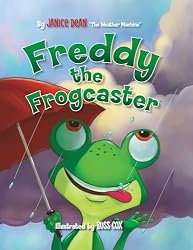

Freddy the Frogcaster by Janice Dean
Ages 4-8. Written by a real meteorologist, this story follows Freddy the frog as he grows up to forecast the weather for his pond community. It gives children an approachable look at what a meteorologist actually does.


What Will the Weather Be? by Lynda DeWitt
Grades 1-3. This entry explains how meteorologists use tools like thermometers and wind vanes to predict the weather. It’s a good pick once children are ready to move from simply naming weather to understanding how forecasting works.
Weather Books for Kindergarten
If you’re teaching kindergarten or early elementary rather than true preschool, lean toward Weather by Tom Evans, How the Weather Works, Oh Say Can You Say What’s the Weather Today?, Miss Mingo Weathers the Storm, Down Comes the Rain, Clouds, Groundhog Weather School, Freddy the Frogcaster, and What Will the Weather Be? These titles use more text and cover more detailed weather concepts, so they hold up well for children who are ready for a bit more depth than the toddler and preschool picture books above.
Weather Books for Preschool FAQs
What age should you start teaching weather?
Most children can start noticing basic weather, like sun, rain, and wind, around age 2 or 3, which makes preschool a natural time to begin. You don’t need a formal curriculum at that age. Simply talking about what you see outside and reading a weather book together is enough to start.
Which weather book is best for a first introduction?
Hello, World! Weather or What Kind of Weather? are good starting points, since both use simple vocabulary and bright pictures without much text. Save the more detailed titles, like How the Weather Works, for once children are a bit older.
How do you turn a weather book into an activity?
After reading, head outside to look for whatever weather the book covered, or start a simple weather journal where children draw or write what they see each day. A few of the books above, like Down Comes the Rain, even include a hands-on activity you can try right after reading.
What are the best weather books for a nonreader?
Board books and picture books with strong illustrations work best for nonreaders, since children can follow the story through the pictures alone. Maisy’s Wonderful Weather Book, Hello, World! Weather, and The Little Raindrop are all good options that don’t rely on text to tell the story.

