
Homeschool Mastery Academy is dedicated to recommending quality resources to benefit homeschooling families. This blog contains and is monetized through sponsored posts and affiliate links. Please see our full disclosure policy for detailed information.
A plant life cycle unit can be so much more than a stack of worksheets to fill in. We taught this unit with our own three kids at home. The days that stuck were the ones where we planted seeds in a cup and watched for germination. We talked through what was happening below the soil before anyone picked up a pencil. Seeds, roots, stems, leaves, and flowers make more sense when kids watch a plant grow over several weeks. Reading about it in a book just isn’t the same.
That said, worksheets absolutely have a place here. They give kids a way to label what they are observing. They also help with vocabulary review, and they slow kids down enough to notice details they might otherwise miss. The right plant life cycle worksheets flex to fit different ages, learning styles, and stages of a lesson. Your child might be just learning the word “seed,” or ready to sketch and label a full diagram. Either way, there’s a worksheet for that.

Benefits of Using Plant Life Cycle Worksheets for Homeschooling
Plant life cycle worksheets are useful because they reinforce vocabulary, sequencing, and labeling. That’s what makes plant lessons stick. A child might understand in the moment that a seed becomes a sprout. But writing the stages in order, labeling a diagram, or matching a word to a picture is what moves that understanding from short term to long term memory.
Worksheets are also a natural way to build in review. You don’t have to turn every day into a lecture. A five minute worksheet after a hands on plant experiment gives kids a chance to process what they just saw. It keeps learning about plants moving forward without feeling like busywork.
The best plant life cycle worksheets for your homeschool will depend on your child’s age and level. A preschooler might need a simple tracing and coloring page. A 2nd grade student is ready for more detailed labeling and short writing prompts.

Why Teaching the Plant Life Cycle Matters for Homeschoolers
Learning about plants gives kids a concrete, observable way to understand how living things grow and change. It turns the life cycle for kids into something they can touch and see, not just read about. Worksheets help those lessons hold up over time instead of fading once the unit wraps up.
It Builds a Foundation for Later Science Lessons
The plant life cycle is often one of the first science lessons where kids track a process over time instead of learning a single fact. That skill of observing change over days or weeks carries into later science units too, from animal life cycles to weather patterns and beyond.
It Connects Science to the Real World
Plants are everywhere: in the yard, the grocery store, the garden. That makes this one of the easiest science lessons to connect to daily life. When kids watch a plant grow in their own yard, or in a cup on the windowsill, the lesson sticks. It becomes something they carry with them instead of something they memorized for a test.
It Encourages Patience and Observation
Plants don’t rush, and neither does this unit. Watching a seed sprout and grow teaches kids to notice small changes. It also teaches them to wait for results, a skill that carries well beyond a science lesson.

How to Teach the Life Cycle of a Plant at Home
Teaching the life cycle of a plant at home does not require a greenhouse or a big budget. It’s one of the more fun science topics you can add to your homeschool day. A few simple, repeatable strategies can carry an entire unit.
Start With a Hands On Plant Experiment
A simple hands on plant experiment works well here. Try sprouting a bean in a damp paper towel inside a plastic bag. Kids can watch roots and shoots appear within days. A quick, visible result like that is a great way to introduce plant lessons before moving into worksheets or books.
Pair Observation With Printable Science Resources
Once kids have something to watch, pair that observation with printable science worksheets. Let them record what they see. A page for sketching, labeling, or writing a sentence about each stage keeps the observation focused instead of scattered.
Let Kids Help Plan What You Grow
If you have any outdoor space at all, even just a few pots on a porch, let kids help choose and plan what to plant. It makes the whole unit feel like their project. We have more ideas for this in our post on garden planning for kids, which covers how to get kids involved from the very first seed packet.
Bring in Outside Resources When You Need More Support
If you want a more complete science curriculum built around this kind of learning, our hands on science curriculum resource walks through some good options. It combines experiments with structured lessons. And if plants become a topic your kids want to dig into further, homeschool science kits are a simple way to keep hands on plant learning going without hunting down supplies yourself.

7 Plant Life Cycle Worksheets for Homeschoolers
You’ll find plenty of free printable plant worksheets scattered online. But the seven below are designed to fit together as a real plant unit, not just one off pages. Each one covers a different angle on the plant life cycle.
Plant Life Cycle Nature Journal
Our plant life study journal covers the basics of a plant’s life cycle, along with photosynthesis, sketching pages, and a spot for journaling thoughts or questions. At nine pages, it works well for a range of ages. That makes it a good pick if you are teaching multiple kids together. We like that it’s designed to be reused year after year, so it earns its place on the shelf.
Watermelon Life Cycle Worksheets
These watermelon life cycle worksheets trace the stages from seed to sprout to vine to fruit, using tracing, drawing, and writing prompts. The five page set is a good fit for early elementary kids who are ready to trace vocabulary words and draw what they’re learning about plants. It pairs especially well with a real watermelon growing project, if you have the space for one.
Strawberry Life Cycle Worksheets
Similar in style to the watermelon set, these strawberry life cycle worksheets walk through seeds, sprout, budding plant, and strawberry across six pages. This one is a nice fit for a 2nd grade student who is ready for a bit more writing. Each page includes a reflection prompt along with the drawing and tracing sections.
Oak Tree Life Cycle Story Wheel
For a hands on plant activity that goes beyond a flat worksheet, try this story wheel. Kids build and label a wheel that walks through the life cycle of a plant. It works well for preschool through elementary, and it makes a nice change of pace after a few pages of traditional worksheets.
Pumpkin Research Journal & Activities
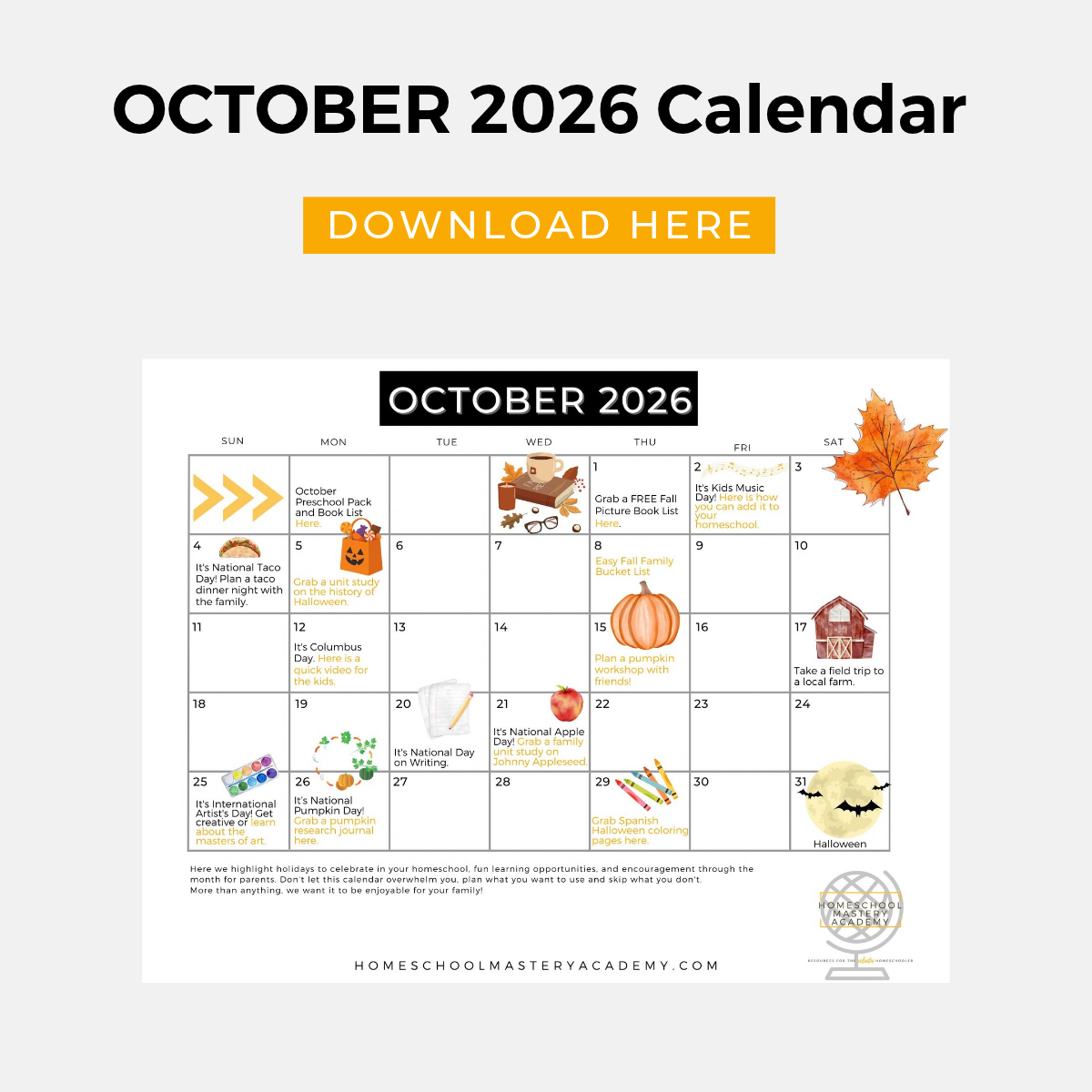
This one is less of a dedicated life cycle worksheet set and more of a research journal. It still earns a spot on this list because of what’s inside. Kids research pumpkin facts, learn to identify different pumpkin varieties, and complete a word search. One of the journal pages even has them draw the pumpkin life cycle as part of their research. It’s a good fit for elementary students, and it pairs naturally with a fall unit or a pumpkin patch trip.
Phenology Wheel Nature Journal
Maybe your family wants to track how plants change with the seasons, not just through one growing cycle. This printable phenology wheel gives kids a simple way to record seasonal changes and nature observations over time. It’s a nice addition once your child already understands the basic plant life cycle and is ready to notice more subtle, ongoing change.
Growing Green Thumbs
For families who want to take the whole unit outside, this pack of gardening projects and nature study activities is built for summer homeschooling. It’s less about worksheets and more about hands on plant experience. That makes it a good companion to any of the worksheet sets above, once your family is ready to put what you’ve learned into an actual garden bed or container.
A plant life cycle unit does not have to be complicated. A little observation, a hands on plant experiment or two, and a few well chosen life cycle printables are enough to help the lessons stick. There’s something different about watching the plant life cycle of a plant you grew together, instead of only reading about it in a book. Pick the worksheets that fit where your child is right now. Let the rest of the unit unfold at its own pace.
